
When you pull up to a fuel pump, you probably don’t give much thought to what’s actually flowing into your tank. But the quality of the gasoline you use has a direct and measurable impact on your vehicle’s performance, fuel economy, and long-term engine health. Choosing a gas station that prioritizes fuel quality isn’t just a matter of brand loyalty — it’s a practical decision that can save you money on repairs and keep your car running smoothly for years to come.
Wawa has built a strong reputation over the decades as more than just a convenience store. With hundreds of locations across the East Coast, Wawa fuel stations have become a go-to choice for drivers who want a reliable fill-up at a competitive price. But the question many drivers ask is: does Wawa actually deliver quality fuel, or is it just another budget option? The answer may surprise you. Wawa takes fuel quality seriously, investing in sourcing, filtration, testing, and storage practices that rival — and in some cases exceed — what you’d find at traditional brand-name stations.
In this comprehensive guide, we’ll explore exactly how Wawa ensures quality fuel for your vehicle. From where they source their gasoline to the filtration systems they use, the types of fuel they offer, and how they stack up against competitors, you’ll have everything you need to make an informed decision the next time you’re looking for a fill-up. If you’ve already been wondering whether Wawa gas is good for your car, this article dives even deeper into the details.

Why Fuel Quality Matters for Your Vehicle
The fuel you put into your car is essentially its lifeblood. High-quality gasoline burns more efficiently, which means better combustion in the engine cylinders, smoother acceleration, and improved fuel economy. When fuel is clean and properly formulated, your engine doesn’t have to work as hard, which translates directly to fewer trips to the pump and more miles per gallon.
On the other hand, low-quality or contaminated fuel can cause a range of problems. Deposits can build up on fuel injectors and intake valves, reducing airflow and combustion efficiency. Over time, this leads to rough idling, reduced horsepower, increased emissions, and even engine knocking. In severe cases, water contamination or excessive sediment in fuel can damage fuel pumps and catalytic converters — repairs that can cost hundreds or even thousands of dollars.
Beyond immediate performance, fuel quality affects your vehicle’s long-term health. Modern engines are precision-engineered, and they rely on clean, consistently formulated gasoline to operate within their designed parameters. Using quality fuel with proper detergent additives helps keep the entire fuel system clean, extending the life of critical components and preserving your car’s resale value.
Where Does Wawa Get Its Fuel?
Wawa sources its gasoline from major refineries along the East Coast, including facilities operated by well-known petroleum companies. Like many independent fuel retailers, Wawa purchases unbranded gasoline from the same refineries that supply Shell, ExxonMobil, BP, and other major brands. The base gasoline itself is essentially the same product — what differs between brands is the additive package blended into the fuel before it reaches the pump.
All gasoline sold in the United States must meet standards set by the Environmental Protection Agency (EPA). These federal regulations mandate minimum levels of detergent additives designed to prevent deposit buildup in engines. Wawa’s fuel meets and complies with all EPA requirements, ensuring that every gallon you pump meets a baseline standard of quality. Additionally, Wawa works with its suppliers to maintain consistent fuel specifications across all of its locations, so you can expect the same quality whether you’re filling up in Pennsylvania, New Jersey, Florida, or any other state where Wawa operates.
Wawa also maintains contracts with multiple fuel suppliers, which provides both competitive pricing advantages and supply reliability. This diversified sourcing strategy means that even during supply disruptions or seasonal demand spikes, Wawa stations are less likely to run dry or compromise on fuel specifications.
Wawa’s Fuel Filtration and Quality Control Process
Sourcing quality fuel is only part of the equation. What happens between the refinery and your tank matters just as much. Wawa employs a multi-layered quality control process to ensure the fuel you pump is clean and free of contaminants.
First, Wawa uses advanced filtration systems at its fuel storage facilities and individual stations. These filters catch sediment, rust particles, and other debris that can accumulate during transportation and storage. The filtration systems are designed to remove particles down to very fine levels, ensuring that only clean fuel passes through the dispensers and into your vehicle.
Second, Wawa conducts regular underground storage tank inspections. Over time, condensation and temperature changes can introduce water into fuel storage tanks — a common issue at any gas station. Wawa uses water detection systems to monitor tank conditions and catch potential contamination early. When water is detected, the affected fuel is removed and the tank is treated before normal operations resume.
Third, Wawa performs routine fuel quality testing to verify octane levels, additive concentrations, and overall fuel composition. These checks help ensure consistency and catch any anomalies in fuel shipments before they reach customers. This proactive approach to quality control sets Wawa apart from many smaller independent stations that may not invest in the same level of monitoring.
Types of Fuel Offered at Wawa
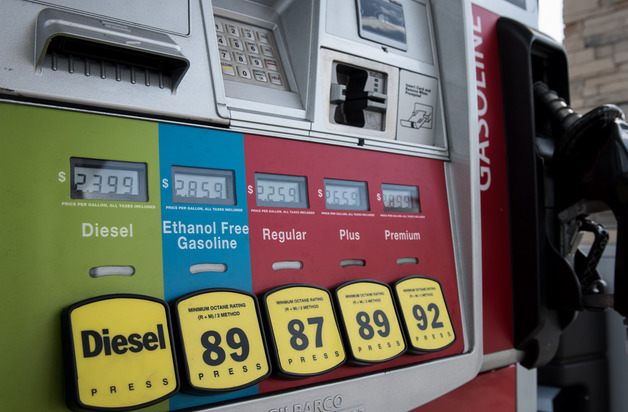
Wawa offers four grades of gasoline at most of its fuel stations, each designed for different vehicles and driving needs:
Regular Unleaded (87 Octane): This is the most commonly used fuel grade and is suitable for the vast majority of vehicles on the road. If your owner’s manual specifies regular gasoline, this is all you need. Using a higher octane than recommended provides no additional benefit for engines designed to run on 87 octane.
Plus (89 Octane): This mid-grade option sits between regular and premium. Some vehicles, particularly certain older models or specific engine configurations, may recommend 89 octane. It’s also sometimes used by drivers who want a slight step up from regular without paying premium prices.
Premium (91 Octane): Premium fuel is designed for vehicles with high-compression engines that benefit from higher octane ratings. If your owner’s manual recommends premium fuel, 91 octane meets that requirement and provides improved knock resistance compared to mid-grade.
Super Premium (93 Octane): The highest octane grade available at Wawa, formulated for high-performance and luxury vehicles with turbocharged or high-compression engines. These engines are designed to take advantage of higher octane fuel’s resistance to pre-ignition (knocking). If your vehicle requires 93 octane, using regular fuel can reduce performance and potentially cause engine damage over time. Always check your owner’s manual to determine which grade is right for your car.
Many Wawa locations also offer diesel fuel for trucks and diesel-powered vehicles. Regardless of which grade you choose, the same quality control standards apply across all fuel types dispensed at Wawa stations.
Is Wawa Gas Top Tier Certified?
Top Tier is a voluntary fuel quality program established by major automakers including General Motors, BMW, Toyota, Honda, and others. The program sets higher standards for detergent additive levels than the EPA minimum — typically requiring significantly more deposit-control additives to keep engines cleaner and running more efficiently.
As of the most recent information available, Wawa is not listed as a Top Tier certified fuel retailer. However, this does not mean Wawa fuel is low quality. The EPA’s baseline additive requirements already ensure a functional level of engine protection, and Wawa’s own additive packages go beyond the bare minimum. Many drivers use Wawa fuel exclusively for years without experiencing any deposit-related issues.
That said, if Top Tier certification is important to you — particularly if you drive a high-performance vehicle or want the maximum level of detergent additives — you may want to occasionally fill up at a Top Tier certified station. For everyday driving in standard vehicles, Wawa fuel provides reliable, quality gasoline that keeps engines running well. For a deeper analysis, check out our full article on whether Wawa gas is good for your car.
Wawa’s Commitment to Sustainability
Fuel quality isn’t just about what goes into your engine — it’s also about the broader environmental impact. Wawa has made meaningful strides in sustainability and environmental responsibility across its operations.
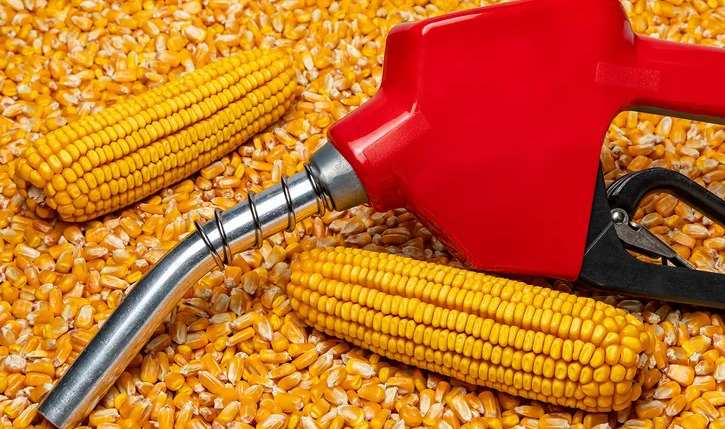
Wawa complies with federal and state biofuel blending mandates, incorporating ethanol blends into its gasoline as required. Ethanol-blended fuels help reduce overall greenhouse gas emissions compared to pure petroleum-based gasoline. Additionally, Wawa has invested in energy-efficient equipment at its fuel stations, including vapor recovery systems that capture gasoline fumes during the refueling process, preventing them from escaping into the atmosphere.
Beyond fuel-specific initiatives, Wawa has implemented broader environmental practices across its store and station operations. These include LED lighting upgrades, energy management systems, waste reduction programs, and efforts to reduce the carbon footprint of its supply chain. While no petroleum retailer can claim to be fully green, Wawa’s ongoing investments in sustainability demonstrate a commitment to minimizing environmental impact while continuing to serve its customers with quality fuel.
How Wawa Fuel Compares to Brand-Name Stations
One of the most common questions drivers have is whether Wawa fuel is as good as what you’d get at a Shell, BP, or Exxon station. The short answer is that the base gasoline is largely the same. All of these retailers source fuel from major refineries, and the raw product leaving the refinery is identical regardless of which brand’s tanker truck picks it up.
The differences come down to additive packages. Brand-name stations like Shell (with V-Power Nitro+) and Chevron (with Techron) market proprietary additive formulations that they claim provide superior engine cleaning and protection. These additives are blended into the fuel before delivery or at the terminal. Wawa uses its own additive package that meets EPA standards, though it may not match the specific proprietary blends of major oil brands.
Where Wawa consistently wins is on price. Wawa fuel is typically priced several cents per gallon below nearby brand-name stations, and the savings add up quickly for frequent drivers. When you also factor in Wawa Rewards for gas — which lets you earn points toward fuel discounts — the value proposition becomes even stronger. Learn how to scan Wawa Rewards at the gas pump to start saving on every fill-up.

Tips for Getting the Best Fuel Performance
Regardless of where you fill up, these practical tips will help you get the most out of every gallon:
Use the correct octane grade. Check your owner’s manual and use exactly what your manufacturer recommends. Using premium in an engine designed for regular is a waste of money, while using regular in an engine that requires premium can hurt performance and cause damage.
Keep your tank above a quarter full. Running your tank very low can draw sediment from the bottom into your fuel system and puts extra strain on your fuel pump, which relies on being submerged in fuel for cooling.
Avoid filling up right after a fuel delivery. When a tanker delivers fuel to a station, it can stir up sediment that has settled at the bottom of the underground storage tanks. If you notice a fuel tanker at a station, consider coming back later or visiting a different location.
Maintain your vehicle regularly. Even the best fuel can’t compensate for worn spark plugs, clogged air filters, or neglected oil changes. Keep up with your vehicle’s maintenance schedule to ensure optimal fuel efficiency and engine performance.
Take advantage of rewards programs. Wawa’s rewards program can help you save on fuel costs over time. Pair this with the MyWawaVisit survey for additional opportunities to earn rewards and provide feedback on your experience.
Frequently Asked Questions
Is Wawa fuel safe for all vehicles?
Yes. Wawa fuel meets all EPA standards and is safe for use in any gasoline-powered vehicle. Just make sure to select the correct octane grade recommended by your vehicle’s manufacturer. Whether you drive a compact sedan, an SUV, or a performance sports car, Wawa has a fuel grade that’s appropriate for your engine.
Does Wawa fuel contain ethanol?
Like most gasoline sold in the United States, Wawa fuel typically contains up to 10% ethanol (E10) as required by federal blending mandates. This ethanol content is compatible with virtually all modern gasoline engines. If you have a flex-fuel vehicle, check your local Wawa for E85 availability.
Can I save money on fuel at Wawa?
Absolutely. Wawa’s fuel prices are generally lower than brand-name competitors, and you can save even more by enrolling in the Wawa Rewards program. Points earned on in-store purchases and fuel transactions can be redeemed for cents-off-per-gallon discounts on future fill-ups.
How does Wawa prevent water contamination in its fuel?
Wawa uses automated water detection systems in its underground storage tanks to continuously monitor for water intrusion. When water is detected above acceptable thresholds, the affected tank is taken out of service until the water is removed and the fuel is verified to meet quality standards. This proactive monitoring helps prevent water-contaminated fuel from ever reaching customers.
Related Articles
Explore more helpful guides about Wawa fuel and services:
- Is Wawa Gas Good for Your Car?
- Wawa Rewards for Gas: How to Save at the Pump
- Does Wawa Have Air for Tires?
- MyWawaVisit Survey: Step-by-Step Guide
Disclaimer: This website is not affiliated with Wawa, Inc. The information provided is for general informational purposes only. For official information about Wawa fuel products and services, please visit the official Wawa website.
Written by the MyWawaVisit Guide Team
We are a team of Wawa enthusiasts providing helpful guides about the MyWawaVisit survey, Wawa Rewards, food reviews, and more. We are not affiliated with Wawa, Inc.