
Keeping your tires properly inflated is one of the simplest and most overlooked aspects of vehicle maintenance. Low tire pressure can lead to poor fuel economy, uneven tire wear, and even dangerous blowouts on the highway. The good news is that Wawa gas stations offer free air pumps at many of their locations, making it easy to top off your tires during a routine fuel stop. Whether you are a daily commuter, a road tripper, or someone who just noticed the tire pressure warning light on your dashboard, Wawa has you covered.
Finding a free air pump can be surprisingly difficult. Many gas stations charge anywhere from $1.50 to $2.00 for a few minutes of compressed air, and some older machines are poorly maintained or out of service entirely. Wawa stands out by providing complimentary air at most of its fuel-equipped locations, saving you money and hassle. If you already rely on Wawa for quality fuel and fresh food, adding a quick tire check to your visit is a no-brainer.
In this comprehensive guide, we will walk you through everything you need to know about using the free air pumps at Wawa, from locating the pump to setting the correct tire pressure for your vehicle. We will also cover the benefits of proper inflation, common tire problems caused by incorrect pressure, and additional maintenance tips to keep you safe on the road.
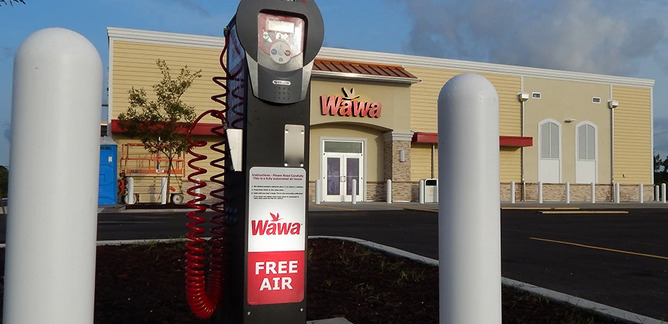
Does Wawa Have Free Air for Tires?
Yes, Wawa does offer free air for tires at the majority of its gas station locations. Unlike many competitors that require payment or a token from the cashier, Wawa air pumps are typically available for anyone to use at no charge, whether or not you are purchasing fuel. This applies to Wawa locations across their operating states, including Pennsylvania, New Jersey, Delaware, Maryland, Virginia, Florida, and other states where the chain has expanded.
It is worth noting that not every single Wawa location has an air pump. Some smaller, urban convenience-only stores that do not sell fuel may not have one. To confirm that your nearest Wawa has a free air pump, you can use the Wawa store locator on the official Wawa website or app to check amenities before you drive over. In some states, laws require gas stations to provide free air to customers. Wawa goes beyond legal requirements by offering free air across all its fuel locations as a standard customer convenience.
How to Find the Air Pump at Wawa
When you pull into a Wawa gas station, the air pump is usually located near the fuel pumps but slightly off to the side. Look for a standalone unit or a small station with a coiled hose, often positioned at the edge of the fueling area or near the parking lot perimeter. Most Wawa air pumps feature clear signage that reads “Free Air” or display the Wawa logo.
If you are having trouble spotting the air pump, here are a few tips. Drive slowly around the perimeter of the fuel canopy area and check the corners. Some locations place the pump near the vacuum station or the car wash entrance. You can also ask any Wawa associate inside the store for directions. They are usually happy to point you in the right direction. Keep in mind that newer Wawa locations tend to have more modern, digital air pump units that allow you to set your desired PSI, while older locations may have a simpler analog setup.
Step-by-Step: How to Use the Wawa Air Pump
Using the free air pump at Wawa is straightforward, even if you have never inflated a tire before. Follow these six steps for a smooth experience:
Step 1: Park Close to the Air Pump. Pull your vehicle as close to the air pump unit as possible. The hose has a limited reach, so you may need to reposition your car to reach all four tires. Park with the engine off and engage your parking brake.
Step 2: Check Your Recommended Tire Pressure. Before you start inflating, you need to know your target PSI. Open the driver-side door and look for a sticker on the door jamb. This label lists the manufacturer-recommended tire pressure for your front and rear tires. You can also find this information in your vehicle owner’s manual. Do not rely on the number printed on the tire sidewall, as that is the maximum pressure the tire can handle, not the recommended operating pressure.
Step 3: Remove the Valve Cap. Unscrew the small plastic cap from the tire valve stem. Place the cap in your pocket or somewhere safe so you do not lose it. While a missing valve cap will not cause immediate problems, it does expose the valve to dirt and moisture over time.
Step 4: Set Your Desired PSI (If Digital). Many newer Wawa air pumps have a digital display where you can set your target PSI. Use the plus and minus buttons to dial in the correct pressure. The machine will automatically stop filling when the target is reached. If the pump is an older analog model, you will need to monitor the pressure manually using a tire gauge.
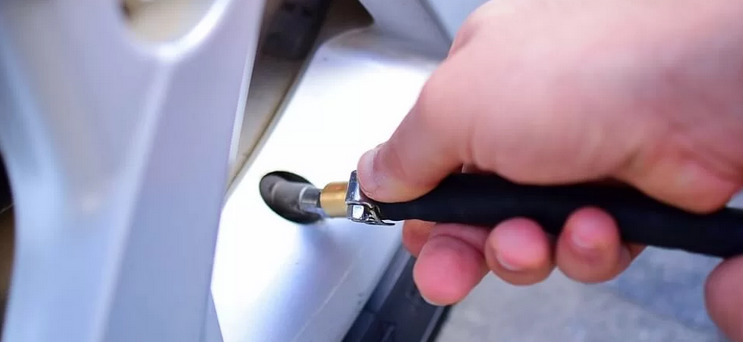
Step 5: Attach the Hose and Inflate. Press the air chuck firmly onto the tire valve stem. You should hear a hissing sound as air flows into the tire. If air is escaping around the connection, adjust the angle until you get a tight seal. Hold the chuck in place until the pump beeps or the gauge shows the correct pressure.
Step 6: Replace the Valve Cap and Repeat. Once the tire is at the correct pressure, remove the air chuck and screw the valve cap back on. Move to the next tire and repeat the process. When all four tires are done, do a final visual check to make sure everything looks normal before driving away.

What Tire Pressure Should You Use?
The correct tire pressure for your vehicle depends on the make, model, and year. Most passenger cars call for a tire pressure between 30 and 35 PSI, but some larger vehicles like trucks and SUVs may require 35 to 40 PSI or more. The definitive source for your vehicle’s recommended pressure is the placard located on the driver-side door jamb. This sticker is placed there by the vehicle manufacturer and accounts for the weight distribution and suspension design of your specific car.
Always check tire pressure when the tires are cold, meaning the car has been parked for at least three hours or has been driven less than a mile. Driving heats up the tires and increases internal pressure, which can give you a falsely high reading. If you must check pressure after driving, add about 3 to 4 PSI to the reading to account for the heat. For the most accurate results, check your tires first thing in the morning before your daily commute.
Benefits of Proper Tire Inflation
Maintaining the correct tire pressure delivers several measurable benefits that affect both your wallet and your safety. According to the U.S. Department of Energy, properly inflated tires can improve your gas mileage by up to 3 percent. For someone who spends $2,000 a year on fuel, that translates to roughly $60 in savings, and those savings add up year after year. If you are already taking advantage of Wawa rewards for gas, proper inflation is another easy way to stretch your fuel budget even further.
Beyond fuel efficiency, correct tire pressure ensures even tread wear, which extends the life of your tires. A set of quality tires can cost anywhere from $400 to $1,000, so getting the maximum mileage out of them represents significant savings. Properly inflated tires also provide better traction and handling, shorter braking distances, and a more comfortable ride. In wet or icy conditions, the difference in stopping distance between a properly inflated tire and an underinflated one can be the difference between a safe stop and a collision.
Common Tire Problems from Improper Inflation
Underinflation is the more common and more dangerous problem. When tires are underinflated, the sidewalls flex excessively, generating heat. Over time, this heat degrades the internal structure of the tire and can lead to a sudden blowout, especially at highway speeds. Underinflated tires also wear unevenly, with the outer edges of the tread wearing faster than the center. You may notice the car pulling to one side or the steering feeling sluggish. The National Highway Traffic Safety Administration estimates that tire-related issues contribute to approximately 11,000 crashes each year in the United States.
Overinflation creates its own set of issues. A tire pumped well beyond its recommended pressure becomes rigid and loses its ability to absorb road imperfections. This leads to a harsh, bouncy ride and reduces the contact patch between the tire and the road, which compromises grip. Overinflated tires tend to wear excessively in the center of the tread, shortening their useful life. They are also more vulnerable to damage from potholes, curbs, and debris because the stiff sidewall cannot flex to absorb impacts.
What to Do If the Air Pump Isn’t Working
Occasionally, you may arrive at a Wawa location and find that the air pump is out of service. If this happens, here are a few steps you can take. First, let a Wawa associate inside the store know about the issue. They may be able to reset the unit or confirm that maintenance has already been scheduled. Second, check the Wawa store locator for the next nearest Wawa with fuel service, as there is often another location just a few miles away.
If you cannot find another free air pump nearby, most tire shops and auto repair centers will inflate your tires at no charge if you ask politely. Some newer vehicles also come with a portable tire inflator or a can of tire sealant in the trunk, which can serve as a temporary solution. Investing in a small, portable 12-volt tire inflator that plugs into your car’s cigarette lighter is also a smart backup plan. These devices typically cost between $25 and $50 and can be a lifesaver in an emergency.
Other Tire Maintenance Tips
Checking your tire pressure at Wawa is a great start, but a complete tire maintenance routine includes a few additional practices. Rotate your tires every 5,000 to 8,000 miles to promote even wear across all four tires. Have your wheel alignment checked at least once a year or whenever you notice the car pulling to one side. Inspect your tires regularly for embedded nails, cracks in the sidewall, or uneven wear patterns that may indicate a suspension problem.
You should also keep an eye on your tread depth. An easy way to check is the penny test: insert a penny into the tread groove with Lincoln’s head facing down. If you can see the top of Lincoln’s head, the tread is too shallow and the tire should be replaced. Most tires have built-in tread wear indicators, which are small raised bars between the tread grooves that become flush with the surface when the tire is worn out. Pairing regular tire checks with quality fuel from Wawa is a simple way to keep your vehicle running efficiently and safely.
Frequently Asked Questions
Is the Air at Wawa Really Free?
Yes, the air pumps at Wawa gas stations are free to use. You do not need to make a purchase, insert coins, or ask for a token. Simply drive up to the air pump and use it. This is one of the many customer-friendly policies that sets Wawa apart from other convenience store chains. You can also share your feedback about the air pump service and other amenities by completing the MyWawaVisit survey.
How Often Should I Check My Tire Pressure?
Tire experts and vehicle manufacturers generally recommend checking your tire pressure at least once a month and before any long road trip. Tires naturally lose about 1 to 2 PSI per month due to normal permeation through the rubber. Temperature changes also affect tire pressure: for every 10-degree Fahrenheit drop in ambient temperature, tire pressure decreases by about 1 PSI. This means you should pay extra attention to your tires during seasonal transitions, particularly as temperatures fall in autumn and winter.
Can I Use the Wawa Air Pump for Bicycle Tires?
Most Wawa air pumps use a standard Schrader valve nozzle, which is compatible with car, truck, and SUV tires as well as many bicycle tires that use the same Schrader valve type. However, road bikes and some higher-end bicycles use a Presta valve, which requires an adapter. If your bike uses a Presta valve, you can purchase a small brass adapter at most bike shops for a few dollars. Use caution when inflating bicycle tires at a gas station air pump, as the high air volume can fill a bike tire very quickly and potentially cause a blowout if you are not careful.
Related Articles
Learn more about getting the most out of your Wawa visits with these helpful guides:
- Does Wawa Have Air for Tires?
- Is Wawa Gas Good for Your Car?
- Wawa Store Locator
- MyWawaVisit Survey Step-by-Step Guide
Disclaimer: This website is not affiliated with, endorsed by, or sponsored by Wawa, Inc. All trademarks, service marks, and brand names referenced on this site are the property of their respective owners. The information provided here is for general informational purposes only.
Written by the MyWawaVisit Guide Team
We are a team of Wawa enthusiasts providing helpful guides about the MyWawaVisit survey, Wawa Rewards, food reviews, and more. We are not affiliated with Wawa, Inc.